
Sillanwali History
A Town Steeped in Craft and Community
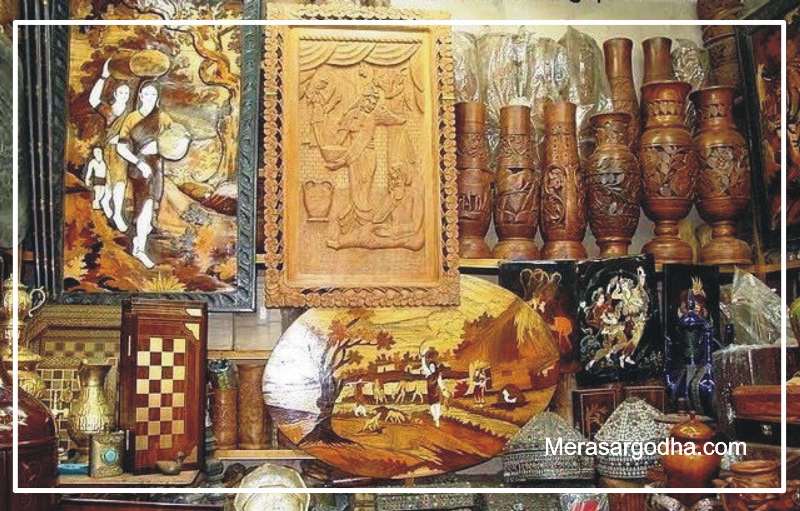
Sillanwali, nestled in the Sargodha District of Pakistan’s Punjab province, boasts a rich history that intertwines with the development of the region’s agriculture and its rise as a renowned center for handcrafted goods. While the exact date of its founding remains elusive, Sillanwali’s story unfolds through its evolution from a humble marketplace to a thriving town celebrated for its skilled artisans and cultural heritage.
Early Days: A Marketplace Takes Root (19th Century)
The historical narrative of Sillanwali points towards its beginnings in the late 19th century. There’s a general belief that the town originated as a ‘Mandi’ (marketplace) in 1902, catering to the agricultural produce of the surrounding areas. This fertile region was particularly known for its cotton crops, a factor that likely spurred the establishment of a dedicated trading center.
The arrival of the British Raj in the subcontinent played a significant role in Sillanwali’s development. Recognizing the town’s agricultural potential, the British government actively promoted the area. The establishment of a railway station in 1905 further bolstered Sillanwali’s connectivity, transforming it into a crucial hub for the movement of goods and produce. This improved infrastructure likely facilitated the exchange of agricultural products and potentially fueled the town’s early growth.
The Arrival of Skilled Artisans and the Birth of a Craft (Early 20th Century)
The story of Sillanwali takes an interesting turn with the arrival of Muslim migrants from the Karnal district of Haryana in India. These families, displaced due to the partition of the subcontinent, brought with them a unique skillset – the art of lacquer work on wooden pieces. This artistry, believed to have originated with Ustad Karmi in Kethal Tehsil of Karnal around 1710 during the Mughal era, found a new home in Sillanwali.
The migrants’ expertise in lacquer work proved to be a turning point for the town. With their established skills and the abundance of local wood, Sillanwali witnessed the flourishing of a new industry. Artisans began crafting exquisite furniture, decorative items, and other wooden pieces, adorned with intricate lacquerwork designs. This craftsmanship soon gained recognition, not just locally but also across the region.
Sillanwali’s Rise as a Handicraft Hub (Mid-20th Century Onwards)
As the 20th century progressed, Sillanwali’s reputation as a center for exceptional handicrafts solidified. The town witnessed the establishment of numerous workshops and units dedicated to producing these beautiful wooden creations. The vibrant colors, intricate patterns, and meticulous detailing of the lacquer work garnered appreciation not only within Pakistan but also internationally.
Sillanwali’s handicrafts found their way into homes and collections around the world, establishing the town’s position as a significant contributor to Pakistan’s cultural heritage. The industry continues to thrive today, with over 100 workshops, both large and small, employing skilled artisans who keep the tradition alive.
Challenges and Looking Ahead
Despite its rich history and thriving craft industry, Sillanwali faces certain challenges. The need to preserve traditional skills, ensure fair wages for artisans, and navigate the complexities of a globalized market are all crucial considerations for the town’s future. However, the spirit of innovation and the dedication of its craftspeople continue to propel Sillanwali forward.
Looking ahead, Sillanwali has the potential to further solidify its position as a cultural and economic hub. By embracing sustainable practices, promoting tourism, and fostering collaborations between artisans and designers, the town can ensure the continued success of its signature craft while preserving its unique heritage for generations to come.
In Conclusion
Sillanwali’s journey from a humble marketplace to a celebrated center for handicrafts is a testament to the town’s resilience and the enduring power of tradition. The skilled artisans, vibrant culture, and historical significance make Sillanwali a place unlike any other. As the town continues to evolve, one thing remains certain: Sillanwali’s story is far from over, with its