
Sillanwali Handicrafts
A Haven of Exquisite Handicrafts
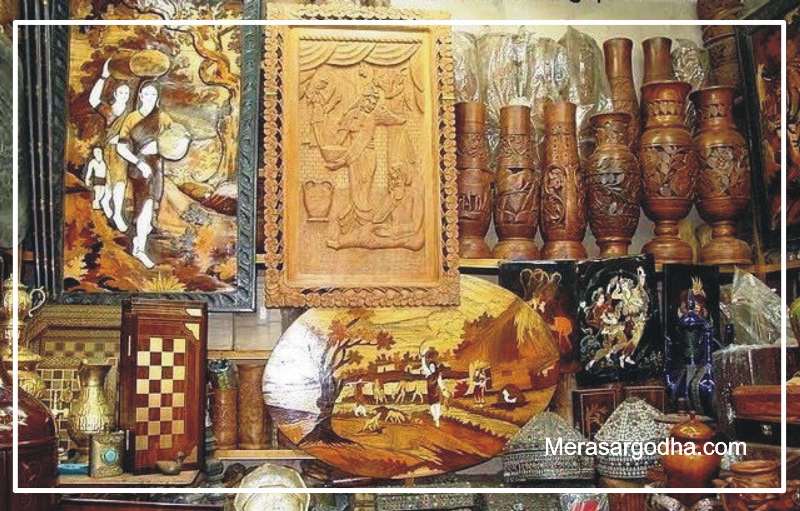
Located in the heart of Punjab, Pakistan, lies the vibrant city of Sillanwali. Globally, salanwali holds a special place in the world of handicrafts. For generations, skilled artisans in this city have been transforming wood, fabric and other raw materials into works of art with their skill and dedication.
This article explores the fascinating world of Salanwali handicrafts, exploring the rich history of the tradition, the diverse range of products produced, the techniques used by the artisans and the impact of the industry on the local community.
A Symphony of Skill: The Diverse Products of Sillanwali
Sillanwali’s craftsmen breathe life into a captivating range of products. Here’s a glimpse into some of the city’s signature offerings:
- Woodwork: This remains the heart of Sillanwali’s handicrafts. Artisans create a stunning array of furniture pieces, including intricately carved chairs, tables, and beds. Decorative items like jewelry boxes, picture frames, and wall hangings showcase their meticulous attention to detail. Utilitarian objects such as kitchenware, storage boxes, and even toys are not only functional but also visually appealing.
- Embroidery: Using vibrant threads and intricate stitches, Sillanwali’s embroiderers create stunning wall hangings, bedspreads, cushion covers, and clothing. The most famous style is “Shisha Work,” which incorporates tiny mirrors for a dazzling effect.
- Metalwork: Artisans craft beautiful decorative items like lamps, vases, and sculptures from brass, copper, and silver. These pieces often feature intricate floral or geometric patterns, adding a touch of elegance to any space.
- Lacquerware: Sillanwali’s lacquerware artists are known for their vibrant and detailed work. They use natural lac on wooden objects, creating colorful trays, bowls, and decorative boxes.
This is just a taste of the diverse products offered by Sillanwali’s artisans. Each piece is unique, reflecting the individual skills and artistic vision of the craftsperson who created it.
A Legacy Carved in Wood: The History of Sillanwali’s Handicrafts
The exact origins of Sillanwali’s handicraft tradition remain shrouded in some mystery. However, historical accounts suggest that it flourished during the Mughal era (1526-1857). The Mughals were renowned for their patronage of arts and crafts, and their influence is evident in the intricate designs and motifs found on Sillanwali’s woodwork.
Over time, the craft evolved, incorporating local styles and techniques. Wood, readily available in the region, became the primary material for furniture, decorative pieces, and utilitarian objects. Families passed down skills from generation to generation, ensuring that the knowledge and techniques remained alive.
The 20th century saw a shift in Sillanwali’s handicraft scene. The introduction of new materials and tools offered artisans greater flexibility and allowed them to experiment with different styles. While woodwork remained the mainstay, other mediums like embroidery, metalwork, and lacquerware gained prominence.
Today, Sillanwali’s handicraft industry continues to thrive. The city serves as a hub for skilled artisans, workshops, and retail stores. The dedication of these craftspeople ensures the preservation of this time-honored tradition while adapting to meet the demands of a global market.
The Art of Creation: Techniques Used by Sillanwali’s Artisans
The magic of Sillanwali’s handicrafts lies in the techniques employed by its artisans. These techniques, honed over generations, combine traditional methods with modern tools:
- Woodworking: Artisans use a combination of hand tools like saws, chisels, and planes alongside power tools like lathes and sanders. Their skill allows them to create intricate carvings and smooth finishes that elevate the functionality and beauty of their creations.
- Embroidery: Sillanwali’s embroiderers use a variety of stitches, including chain stitch, back stitch, and French knots, to create intricate designs. They often work on traditional wooden frames, their nimble fingers bringing patterns to life with meticulous precision.
- Metalwork: Artisans use techniques like hammering, forging, and chiseling to shape metal into beautiful forms. They may also employ soldering or brazing to join pieces together. Their skill in manipulating metal allows them to create objects that are both strong and aesthetically pleasing.
- Lacquerware: The process of creating lacquerware is meticulous. The artisans first prepare the wooden base by sanding and smoothing it. They then apply multiple layers of natural lacquer, allowing each layer to dry completely before adding the next. Finally, they use specialized tools and techniques to create intricate designs and patterns