
Hamid Gul
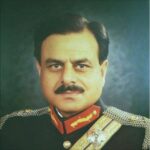
Lt. Gen. Hameed Gul, a name that evokes strong emotions in both Pakistan and Afghanistan, was a complex and important figure. His career, particularly his time as Director General of Pakistan’s Inter-Services Intelligence (ISI) agency during the Soviet-Afghan War, left an undeniable mark on the region.
Born in 1936 in Sargodha, Pakistan, Gul came from a military background. After graduating from the Pakistan Military Academy, he rose through the ranks, eventually attending the Command and Staff College in Quetta. His rise culminated in his appointment as the ISI’s Director-General in 1987, a position that placed him at the center of a pivotal moment in history.
The Soviet Union’s invasion of Afghanistan in 1979 had ignited a brutal war. The United States, seeking to counter Soviet influence, saw an opportunity to support the Afghan Mujahideen resistance. The ISI, with Gul at the helm, became a crucial conduit for American aid, funneling weapons and funds to the Mujahideen.
This period cemented Gul’s reputation as a shrewd and decisive intelligence chief. He is credited with playing a key role in the Mujahideen’s success against the Soviets, ultimately leading to their withdrawal in 1989.
However, Gul’s legacy extends far beyond this singular achievement. His tenure at the ISI also coincided with the rise of a group that would come to dominate Afghanistan – the Taliban. While the extent of Gul’s direct involvement with the Taliban remains a matter of debate, it is undeniable that the ISI provided support during their formative years.
Herein lies the crux of the controversy surrounding Gul. While hailed as a hero by some for his role in defeating the Soviets, others view him with suspicion, accusing him of fostering a radical Islamist force that would later become a global security threat.
After his retirement from the military in 1992, Gul remained a vocal figure. He became a defense analyst, frequently expressing his views on regional security issues. His unwavering support for the Taliban and his outspoken criticism of US policies in the region further cemented his image as a controversial figure.
A Legacy of Deep Divisions
Hamid Gul’s legacy remains deeply divisive. His supporters see him as a patriot who protected Pakistan’s strategic interests and played a pivotal role in driving out a superpower. Critics portray him as a man who sowed the seeds of future instability by nurturing the Taliban.
Here are some key aspects of Gul’s legacy to consider:
“Godfather of the Taliban”: Highlights allegations by some that Gul played a key role in the creation and rise of the Taliban. Whether this label is entirely accurate is debatable, but it reflects his influence.
Proxy War: The Soviet-Afghan War was, in many ways, a proxy war between the United States and the Soviet Union. Gill’s role in providing American support to the Mujahideen was undoubtedly important. However, the long-term consequences of this strategy, including the rise of radical Islam, are the subject of ongoing debate.
Regional Power Struggle: Pakistan and Gul’s actions during the war were also motivated by a desire to counter India’s influence in Afghanistan. This regional rivalry continues even today with lasting consequences.
Beyond the Controversy
It is important to go beyond the controversy and recognize Gul’s contributions to Pakistan’s military strategy. He was a skilled intelligence officer who understood the complexities of the Afghan conflict. His insights remain valuable in understanding the region’s dynamics.
A Figure for the History Books
Love him or hate him, Hamid Gul was a consequential figure whose actions shaped the course of history in Afghanistan and Pakistan. Understanding his role is crucial for comprehending the ongoing conflicts in the region.
Further Considerations:
This article has provided a brief overview of Hamid Gul’s life and legacy. For a more nuanced understanding, you can explore the following:
- The history of the Soviet-Afghan War and the rise of the Taliban.
- The complex relationship between Pakistan, Afghanistan, and the United States.
- The ongoing debate about the consequences of supporting Islamist groups.
By delving deeper into these topics, you can gain a richer understanding of Hamid Gul’s place in history.